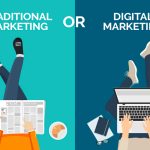


In today’s fast-moving digital world, having a website is no longer a luxury—it is a necessity. Whether you own a small local shop, a startup or a large enterprise, your customers expect to find you online. A professionally designed website serves as the digital face of your business, helping customers discover your products, services and brand at any time of the day.
As we move into 2026, customer behaviour continues to shift toward online research before making purchasing decisions. Most people search on Google, compare businesses, read reviews and visit websites before contacting a company. If your business does not have a website, you could be missing valuable opportunities to attract customers and increase sales.
This article explores why every business needs a website in 2026 and how it can contribute to long-term growth and success.

1. Your Website Builds Trust and Credibility
One of the biggest reasons every business needs a website is credibility. Consumers trust businesses that have a professional online presence. A well-designed website gives visitors confidence that your company is legitimate, reliable and established.
Without a website, potential customers may question whether your business is genuine. A website allows you to showcase:
- Company information
- Services and products
- Customer testimonials
- Certifications
- Awards and achievements
- Contact details
These elements help create trust and encourage customers to choose your business over competitors.

2. Your Business Is Available 24/7
Unlike a physical store with limited working hours, a website is available around the clock.
Customers can:
- Browse products
- Read about services
- Contact your business
- Fill out enquiry forms
- Request quotations
- Purchase products
Even while you are sleeping, your website continues working for your business.
This 24/7 accessibility improves customer convenience and increases business opportunities.
3. Reach More Customers
A physical store can only serve customers within a particular location.
A website removes geographical limitations.
People from different cities, states or even countries can discover your business through search engines like Google.
For example, a business located in Hubli can receive enquiries from Bangalore, Mumbai, Delhi or international clients simply because they found the website online.
This significantly expands your potential customer base.
4. Improve Your Online Visibility
Millions of people search Google every day to find products and services.
When your website is optimized using Search Engine Optimization (SEO), it has the opportunity to appear in Google search results.
This increases:
- Organic traffic
- Brand awareness
- Website visitors
- Customer enquiries
Businesses that invest in SEO gain a competitive advantage by attracting customers who are actively searching for their services.
5. Cost-Effective Marketing
Traditional advertising methods such as newspaper ads, television commercials and billboards often require a large marketing budget.
A website combined with digital marketing offers a more affordable solution.
You can promote your business through:
- SEO
- Content marketing
- Social media marketing
- Email marketing
- Google Ads
These methods allow businesses to reach the right audience while controlling marketing costs.
Even small businesses can compete with larger companies through smart digital marketing strategies.
6. Showcase Your Products and Services
Your website acts as an online showroom where customers can learn about everything your business offers.
You can display:
- Product images
- Service descriptions
- Pricing information
- Portfolios
- Case studies
- Frequently Asked Questions (FAQs)
This helps customers make informed decisions before contacting your business.
The better your website explains your offerings, the more likely visitors are to become customers.
7. Generate More Leads and Sales
A website is one of the most effective lead generation tools.
Visitors can:
- Submit enquiry forms
- Request callbacks
- Book appointments
- Download brochures
- Subscribe to newsletters
Each enquiry becomes a potential business opportunity.
By integrating contact forms and call-to-action buttons throughout your website, you can convert visitors into paying customers.
8. Stay Ahead of Your Competitors
Your competitors are already investing in websites and digital marketing.
If your business does not have a website, customers searching online may never discover your products or services.
A modern website helps your business:
- Stand out
- Build brand recognition
- Reach more customers
- Compete effectively
Keeping your online presence updated ensures you remain competitive in today’s digital marketplace.
9. Understand Your Customers Better
One major advantage of having a website is access to valuable customer insights.
Using tools like Google Analytics, businesses can understand:
- How many people visit the website
- Which pages are most popular
- Where visitors come from
- Which products attract the most attention
- How users interact with the website
These insights help businesses improve marketing strategies and provide a better customer experience.
10. Support Long-Term Business Growth
A website is not just a marketing tool—it is an investment in the future of your business.
As your business grows, your website can expand with it.
You can add:
- Online payments
- E-commerce functionality
- Customer support chat
- Blogs
- Appointment booking
- Career pages
- Customer portals
This flexibility ensures that your website continues supporting your business as customer needs evolve.
Essential Features Every Business Website Should Have
To provide the best user experience, every business website should include:
- Mobile-friendly design
- Fast loading speed
- Secure HTTPS connection
- Easy navigation
- Contact information
- Professional images
- Clear call-to-action buttons
- SEO-friendly content
- Social media integration
These features improve user experience while helping your website perform better in search engine rankings.

Common Mistakes Businesses Should Avoid
Many businesses create websites but fail to achieve results because of common mistakes, such as:
- Slow loading pages
- Outdated content
- Poor mobile responsiveness
- Complicated navigation
- Missing contact details
- Weak SEO optimization
- Low-quality images
- No clear call-to-action
Regular website maintenance helps avoid these issues and keeps your business looking professional.
The Future of Business Websites
Technology continues to evolve rapidly.
Modern websites are becoming smarter by incorporating features such as:
- Artificial Intelligence (AI)
- Chatbots
- Voice search optimization
- Personalized customer experiences
- Advanced security
- Faster cloud hosting
Businesses that embrace these technologies will be better prepared to meet changing customer expectations.

In 2026, a professional website is one of the most valuable assets any business can have. It helps build trust, increase visibility, generate leads, improve customer engagement and support long-term growth. Whether you run a small local business or a growing enterprise, your website serves as the foundation of your digital presence.
Combined with SEO, digital marketing and quality content, a website can help you reach more customers and stay ahead of the competition. Investing in a modern, user-friendly website today is an investment in the future success of your business.
Businesses that establish a strong online presence today will be better positioned to grow, adapt and succeed in the ever-changing digital landscape.