




In today’s digital world, businesses are increasingly relying on online platforms to reach their target audience, build brand awareness and drive sales. Traditional marketing methods are no longer sufficient to compete in a highly connected world where consumers spend a significant amount of their time online. This shift has made digital marketing one of the most powerful tools for businesses of all sizes.
Digital marketing covers various strategies and techniques used to promote products and services through digital channels such as search engines, social media platforms, websites, email and mobile applications. By leveraging digital marketing effectively, businesses can connect with potential customers, improve brand visibility and achieve sustainable growth.
This article explores the key components of digital marketing, including SEO, social media marketing, content marketing and their role in driving online business growth.
What is Digital Marketing?

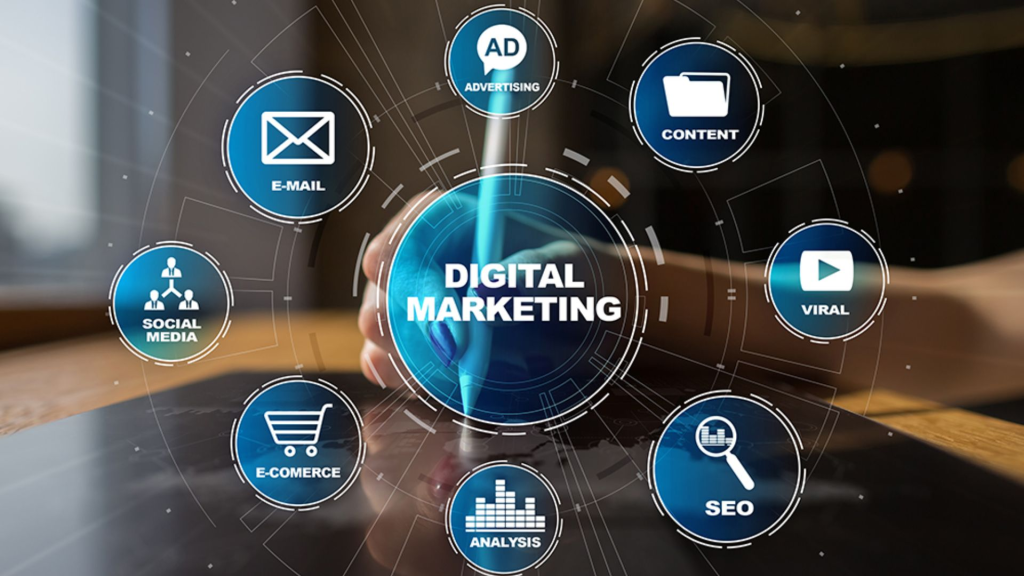
Digital marketing refers to the use of online channels and digital technologies to promote products, services and brands. Unlike traditional marketing, digital marketing enables businesses to reach a global audience while measuring performance through data and analytics.
Digital marketing offers several advantages:
- Cost-effective marketing solutions
- Better audience targeting
- Increased brand visibility
- Measurable results and analytics
- Improved customer engagement
- Higher conversion rates
As internet usage continues to grow worldwide, businesses that invest in digital marketing gain a competitive advantage in the marketplace.
Search Engine Optimization (SEO)


Search Engine Optimization (SEO) is one of the most important aspects of digital marketing. SEO involves optimizing a website to improve its visibility on search engines such as Google, Bing and Yahoo.
When users search for products or services online, they are more likely to click on websites that appear on the first page of search results. SEO helps businesses achieve higher rankings, attract organic traffic and increase website credibility.
Types of SEO
On-Page SEO
On-page SEO focuses on optimizing elements within a website:
- Keyword optimization
- Title tags
- Meta descriptions
- Header tags
- Internal linking
- Image optimization
- Content quality
Off-Page SEO
Off-page SEO involves activities performed outside the website to improve authority and rankings. These include:
- Backlink building
- Social media engagement
- Guest posting
- Brand mentions
Technical SEO
Technical SEO focuses on improving website performance and accessibility through:
- Mobile responsiveness
- Website speed optimization
- SSL security
- XML sitemaps
- Structured data
Benefits of SEO
- Increases organic website traffic
- Builds trust and credibility
- Improves user experience
- Generates long-term results
- Enhances brand visibility
SEO remains one of the most effective digital marketing strategies because it attracts users who are actively searching for information, products or services.
Social Media Marketing
Social media marketing involves using platforms such as Facebook, Instagram, LinkedIn, X (Twitter) and YouTube to connect with audiences and promote brands.
Social media has become an essential marketing channel because it enables businesses to engage directly with customers, build relationships and increase brand awareness.
Benefits of Social Media Marketing
- Increased brand recognition
- Improved customer engagement
- Higher website traffic
- Better customer insights
- Cost-effective advertising opportunities
Popular Social Media Platforms
Facebook: Ideal for community building, advertising and customer engagement.
Instagram: Perfect for visual content, product promotion and influencer collaborations.
LinkedIn: Best suited for B2B marketing, professional networking and lead generation.
YouTube: A powerful platform for video marketing, tutorials and educational content.
Businesses that consistently create valuable and engaging content on social media can significantly improve their online presence and customer relationships.
Content Marketing

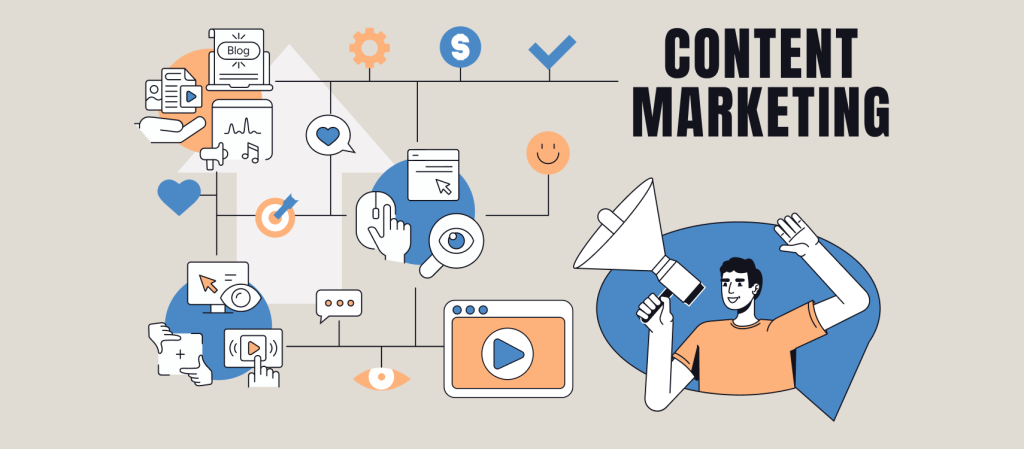
Content marketing is the process of creating and sharing valuable content to attract, engage and retain customers.
Rather than directly promoting products, content marketing focuses on providing useful information that addresses customer needs and interests.
Types of Content Marketing
- Blog articles
- Videos
- Infographics
- E-books
- Case studies
- Podcasts
- Social media posts
Why Content Marketing Matters
Quality content helps businesses
- Build authority and trust
- Improve SEO performance
- Generate leads
- Educate customers
- Increase website traffic
For example, a business that regularly publishes informative blog articles can attract visitors through search engines while establishing itself as an industry expert.
Content Marketing and SEO
Content marketing and SEO work together to improve online visibility. High-quality content optimized with relevant keywords helps search engines understand the website’s relevance and value.
This combination increases the chances of ranking higher in search results and attracting targeted traffic.
Pay-Per-Click (PPC) Advertising

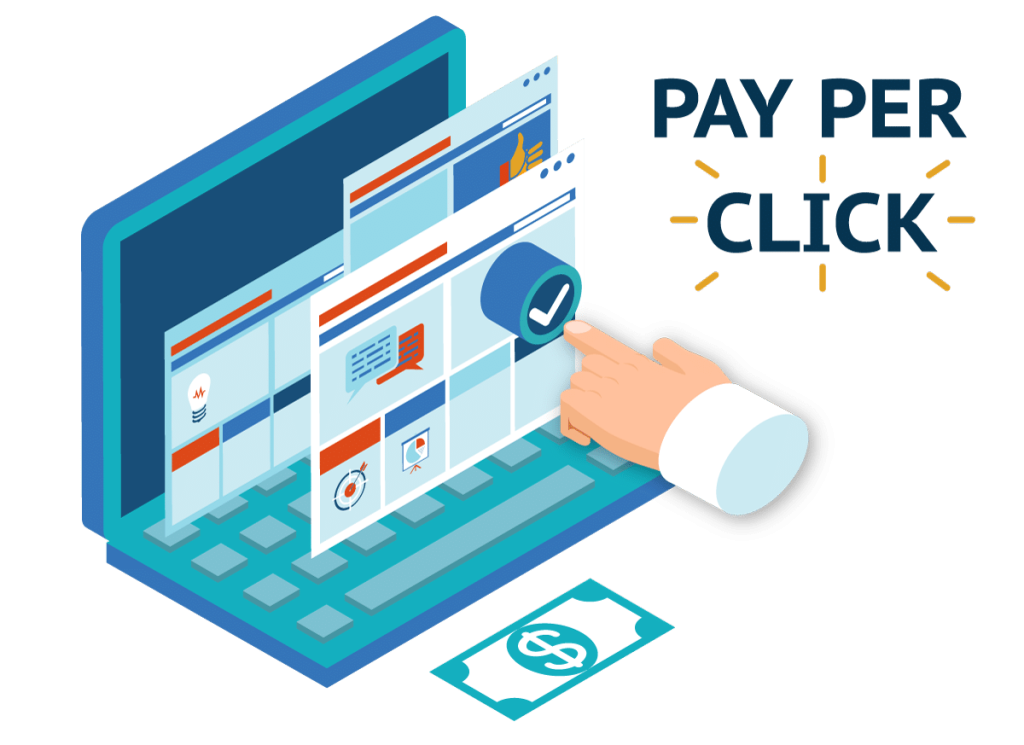
PPC advertising allows businesses to display ads on search engines and social media platforms.
Unlike SEO, which generates organic traffic over time, PPC provides immediate visibility and traffic.
Benefits of PPC include:
- Instant results
- Precise audience targeting
- Budget control
- Measurable performance
- Increased lead generation
Popular PPC platforms include Google Ads, Facebook Ads and LinkedIn Ads.
Email Marketing

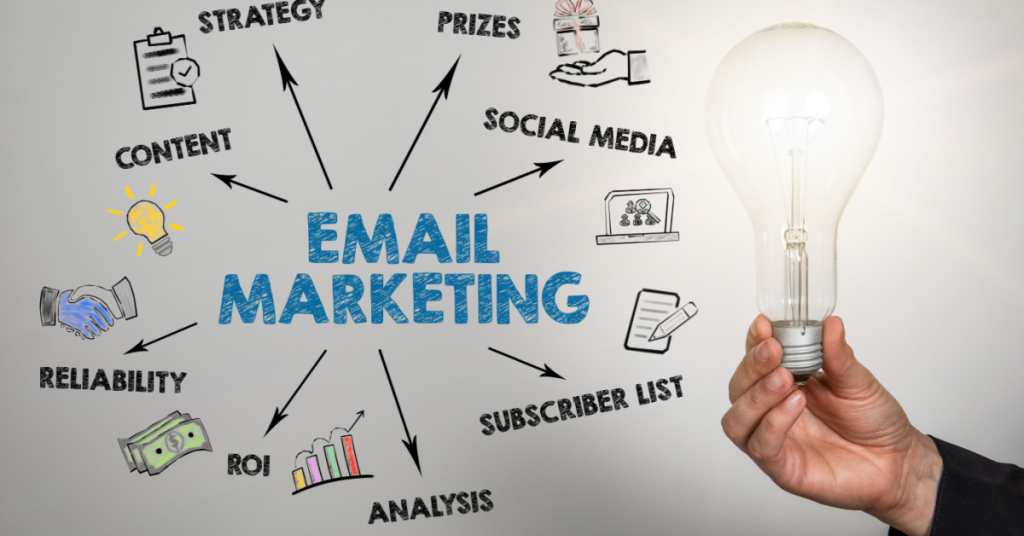
Email marketing remains one of the most effective digital marketing strategies for nurturing customer relationships and driving conversions.
Businesses use email marketing to:
- Share updates and promotions
- Send newsletters
- Promote products and services
- Build customer loyalty
A well-executed email marketing campaign can deliver a strong return on investment while maintaining direct communication with customers.
Digital Marketing Analytics
One of the biggest advantages of digital marketing is the ability to measure performance accurately.
Businesses can track:
- Website traffic
- User behaviour
- Conversion rates
- Engagement metrics
- Campaign performance
Tools such as Google Analytics provide valuable insights that help marketers make informed decisions and optimize their strategies.
The Role of Digital Marketing in Business Growth
Digital marketing plays a crucial role in helping businesses grow by increasing visibility, attracting customers and improving brand awareness.
Through SEO, social media marketing, content marketing, PPC advertising and email campaigns, businesses can reach their target audience more effectively than ever before.
Companies that invest in digital marketing benefit from:
- Greater online visibility
- Increased customer engagement
- Better lead generation
- Improved conversion rates
- Sustainable business growth
As consumer behaviour continues to evolve, digital marketing remains essential for organizations seeking long-term success in a competitive market.
Digital marketing has transformed the way businesses connect with customers and promote their products and services. By combining SEO, social media marketing, content marketing, PPC advertising and analytics, businesses can create powerful strategies that drive growth and improve online visibility.
Whether you are a startup, small business or established organization, investing in digital marketing can help you reach new audiences, build stronger customer relationships and achieve your business goals. As technology continues to evolve, digital marketing will remain a key driver of success in the digital economy.