

Introduction
If you’re planning to build a website, you’ve probably come across terms like domain name, DNS and web hosting. While these terms are often mentioned together, they serve different purposes and are all essential for making a website accessible on the internet. For beginners, understanding how they work can seem confusing, but once you know the basics, you’ll realize they’re simply different parts of the same system.
Think of building a website like opening a physical store. Your domain name is your store’s address, web hosting is the building where your products are kept and DNS (Domain Name System) is the navigation system that directs customers to your store. Without any one of these components, visitors won’t be able to find or access your website.
Whether you’re creating a personal blog, an online portfolio, an e-commerce store or a business website, understanding these three concepts is the first step toward building a successful online presence. It also helps you make informed decisions when choosing a domain registrar, hosting provider and website platform.
In this beginner-friendly guide, we’ll explain what domain names, DNS and web hosting are, how they work together and why they’re important for every website.
What is a Domain Name?
A domain name is your website’s unique address on the internet. Instead of typing a long numerical IP address, users simply enter a domain name into their browser.
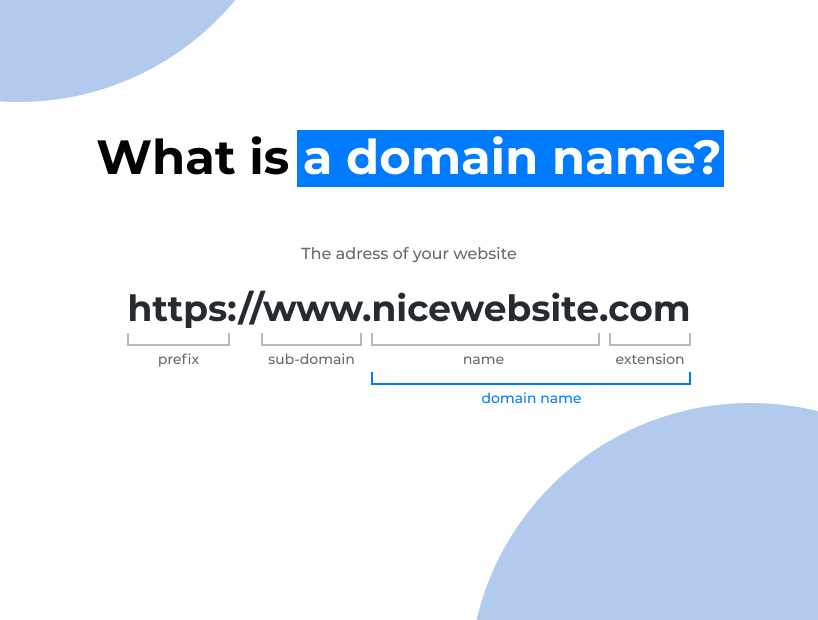
For example:
A domain name makes websites easy to remember and helps establish a professional online identity.
Why Do You Need a Domain Name?
A domain name offers several benefits:
- Creates a professional online presence.
- Makes your website easy to find.
- Builds brand recognition.
- Improves customer trust.
- Supports digital marketing efforts.
- Helps establish business credibility.
Without a domain name, visitors would have to remember a complex IP address to access your website.
Parts of a Domain Name
Every domain consists of different components.
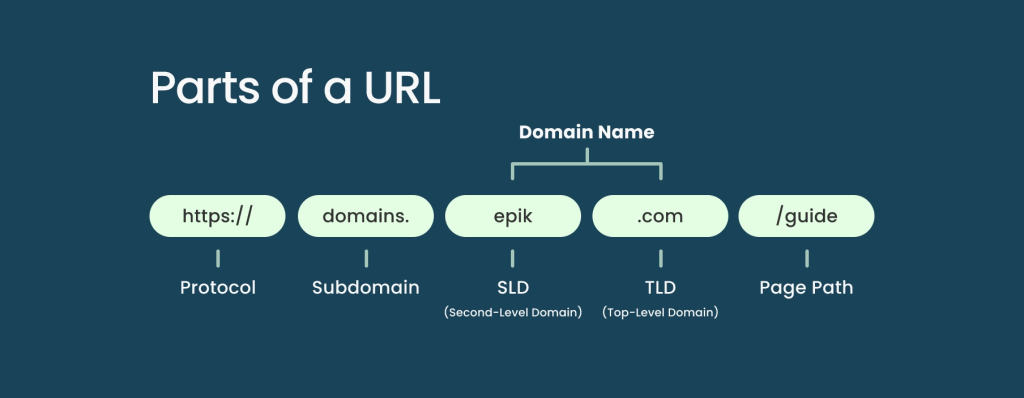
For example:
- www – Subdomain
- webdreams – Domain name
- .in – Domain extension (Top-Level Domain or TLD)
Common domain extensions include:
- .com
- .in
- .org
- .net
- .co
- .edu
Choosing the right extension depends on your business type and target audience.
What is DNS (Domain Name System)?
The Domain Name System (DNS) is often called the “phonebook of the internet.”
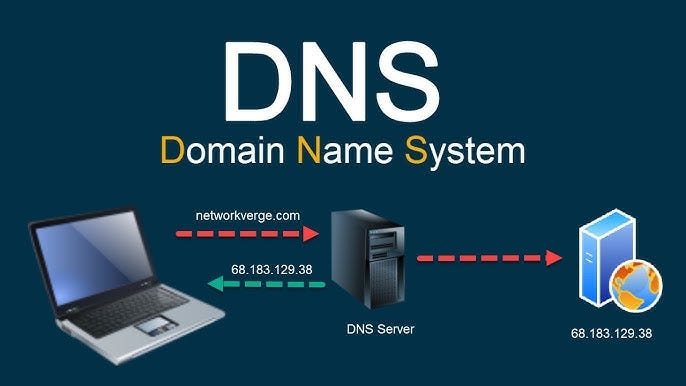
Computers communicate using IP addresses such as:
192.168.1.1
or
142.250.183.78
Since remembering numbers is difficult, DNS translates human-readable domain names into IP addresses that computers understand.
For example:
You type:
DNS finds the correct server IP address and directs your browser to the website. Without DNS, websites would not be accessible using easy-to-remember domain names.
How Does DNS Work?
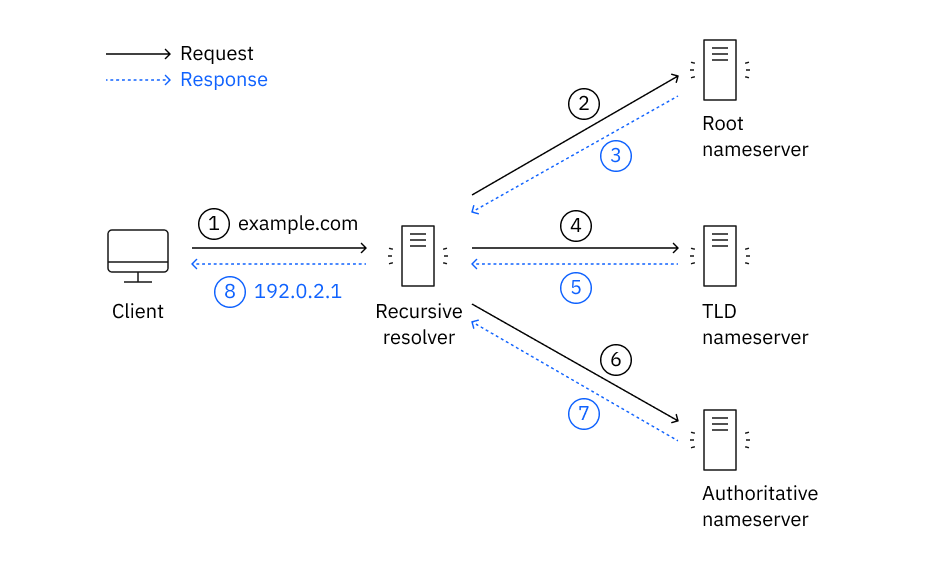
When someone visits your website, the following process occurs:
Step 1
The user types your domain name into their browser.
Step 2
The browser sends a DNS request.
Step 3
DNS searches for the IP address associated with your domain.
Step 4
The browser connects to the web hosting server.
Step 5
The hosting server sends your website files back to the visitor.
Within just a few milliseconds, your website appears on the user’s screen.
What is Web Hosting?
Web hosting is a service that stores all the files required to run your website.
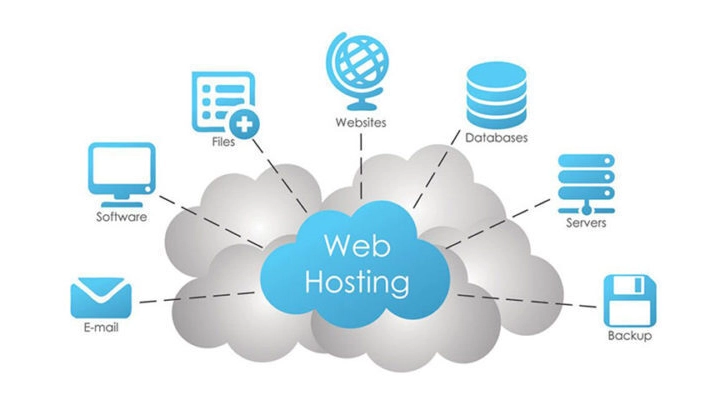
These files include:
- HTML pages
- Images
- Videos
- CSS files
- JavaScript
- Databases
- Emails
- Applications
Hosting providers maintain powerful servers that remain connected to the internet 24/7, allowing visitors to access your website anytime.
Why Do You Need Web Hosting?
Without hosting, your website has nowhere to store its files.
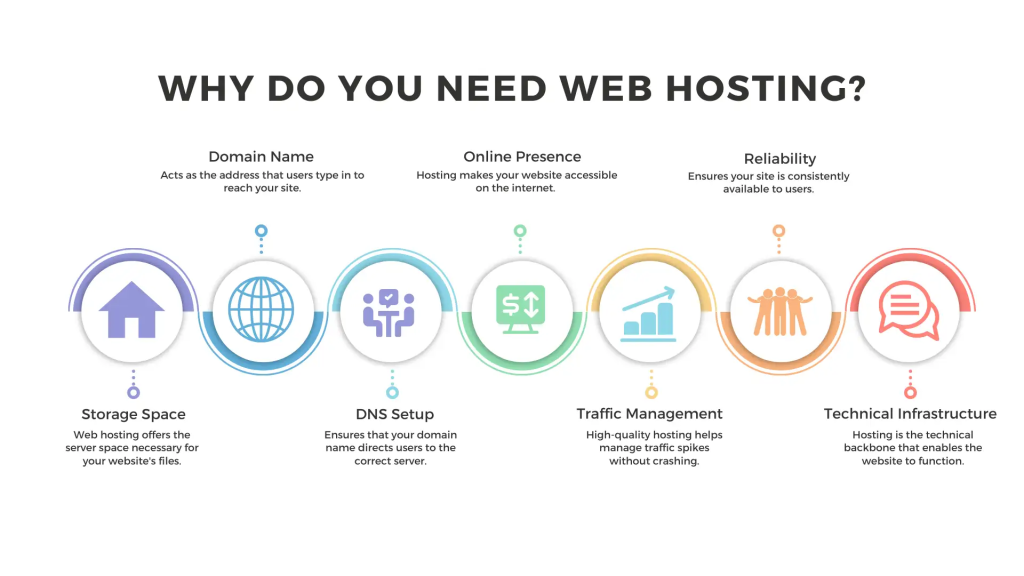
A hosting provider ensures:
- Fast loading speeds
- High uptime
- Data security
- Automatic backups
- Technical support
- Website accessibility
Hosting acts as the home where your website lives.
Types of Web Hosting
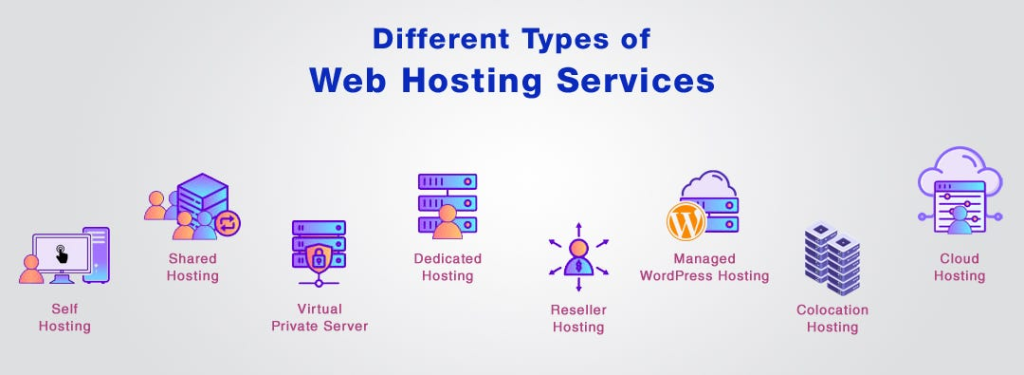
1. Shared Hosting
Multiple websites share one physical server.
Best for:
- Beginners
- Blogs
- Small business websites
Advantages:
- Affordable
- Easy to manage
- Beginner-friendly
2. VPS Hosting
Virtual Private Server (VPS) Hosting provides dedicated virtual resources while sharing a physical server.
Best for:
- Growing businesses
- Medium-traffic websites
- E-commerce stores
Advantages:
- Better performance
- Greater control
- Enhanced security
3. Cloud Hosting
Cloud Hosting stores website data across multiple interconnected servers.
Advantages:
- Excellent scalability
- High uptime
- Better reliability
- Flexible resources
Ideal for businesses expecting rapid growth.
4. Dedicated Server Hosting
A dedicated server provides an entire physical server exclusively for one customer.
Advantages:
- Maximum performance
- Full control
- Highest security
- Excellent reliability
Best for large enterprises and high-traffic websites.
How Domain, DNS and Hosting Work Together
These three components work together to make your website accessible.
Imagine this example:
Domain Name
Your business address.
DNS
The GPS that tells visitors where your business is located.
Web Hosting
The actual building where your business operates.
Without any one of these components, customers cannot reach your website.
Domain Registration vs Web Hosting
Many beginners confuse these two services.
Domain Registration
- Registers your website name.
- Gives you ownership of the domain.
- Requires annual renewal.
Example:
Web Hosting
- Stores website files.
- Makes the website available online.
- Requires monthly or annual payment.
You need both services for a fully functioning website.
How to Choose a Good Domain Name
A good domain should be:
- Short
- Easy to remember
- Easy to spell
- Brandable
- Relevant to your business
Avoid:
- Long names
- Numbers
- Hyphens
- Difficult spellings
A memorable domain improves brand recognition.
How to Choose the Right Hosting Provider
When selecting a hosting provider, look for:
- 99.9% uptime
- SSD or NVM storage
- Free SSL certificate
- Automatic backups
- Malware protection
- 24/7 technical support
- Scalable hosting plans
- Fast server performance
Choosing the right hosting provider ensures your website performs reliably.
Common Beginner Mistakes
Many first-time website owners make mistakes such as:
- Choosing the cheapest hosting plan.
- Buying unnecessary hosting features.
- Ignoring website security.
- Selecting difficult domain names.
- Not enabling SSL certificates.
- Forgetting to renew their domain.
- Ignoring backups.
- Not comparing hosting providers.
Avoiding these mistakes saves both time and money.
Benefits of Understanding These Concepts
Knowing how domain names, DNS and hosting work helps you:
- Launch websites confidently.
- Troubleshoot common issues.
- Choose better hosting plans.
- Improve website performance.
- Strengthen website security.
- Manage domains effectively.
- Understand website migration.
- Build a stronger online presence.
These fundamentals are valuable for anyone managing a website.
Frequently Asked Questions
Can I buy a domain and hosting from different companies?
Yes. Many businesses register their domain with one provider and host their website with another.
Can I change my hosting provider later?
Yes. Websites can be migrated to a different hosting provider with minimal downtime if done correctly.
Can I have multiple websites on one hosting account?
Many hosting plans allow you to host multiple websites depending on the package you choose.
Do I own my domain forever?
No. Domains must be renewed periodically (usually annually) to maintain ownership.
Conclusion
Understanding the relationship between domain names, DNS and web hosting is the foundation of building a successful website. Your domain name gives your website a memorable online identity, DNS connects visitors to the correct server and web hosting stores all the files that make your website available on the internet. Together, these three components ensure your website is accessible, secure and performs efficiently for users around the world.
For beginners, learning these basics makes it easier to choose the right domain, select a reliable hosting provider, troubleshoot common website issues and build a strong online presence. As your business grows, having a solid understanding of these concepts will also help you make better decisions about website performance, scalability and security.
At WebDreams India, we offer complete digital solutions including Domain Registration, DNS Management, Shared Hosting, VPS Hosting, Cloud Hosting, Dedicated Servers, Website Development, SEO and Digital Marketing Services. Whether you’re launching your first website or expanding your online business, our experienced team provides reliable, secure and scalable solutions to help you succeed in the digital world.
