


Digital marketing has changed the way businesses attract customers, build brands and generate sales.
Today, a customer might discover a business through Google, see its Instagram post, watch a YouTube video, click a Facebook ad, read customer reviews and finally contact the business through WhatsApp.
That entire journey can involve digital marketing.
But what exactly is digital marketing?
Digital marketing is the use of digital channels, platforms and technologies to promote a business, product or service, reach potential customers and achieve measurable business goals.
It is much more than posting on social media or running advertisements. A strong digital marketing strategy connects SEO, websites, content, social media, paid advertising, email, analytics and conversion optimization into one system.
What Is Digital Marketing?
Digital marketing is marketing conducted through digital channels to reach and engage potential customers.
These channels can include:
- Search engines such as Google
- Websites
- Social media platforms
- Online advertising
- Video platforms
- Content platforms
- Messaging applications
- AI-powered search and discovery platforms
The objective is not simply to get more views or followers.
The real objective is to move people through a journey:
Discover → Understand → Trust → Contact → Buy → Return
For example, imagine someone searching for a web design company.
They may:
- Search Google for “web design company near me”
- Find a business through SEO
- Visit its website
- Read a blog
- Check Google reviews
- See the company’s social media profile
- Receive a retargeting advertisement
- Contact the business
- Become a customer
Digital marketing helps businesses influence several of these touchpoints.
Why Is Digital Marketing Important?
Traditional marketing still has its place, but digital marketing gives businesses something extremely valuable: data.
With digital channels, businesses can measure what happens after a campaign starts.
You can track:
- Website visitors
- Search traffic
- Leads
- Phone calls
- Form submissions
- Ad clicks
- Cost per lead
- Conversion rates
- Social media engagement
- Customer behaviour
- Sales and revenue
This allows businesses to make decisions based on performance instead of assumptions.
For example, if an advertisement generates 100 leads but only two become customers, the campaign cannot be considered successful simply because it generated many leads.
Digital marketing should ultimately connect marketing activity with business outcomes.
The Main Components of Digital Marketing
Digital marketing is not one single activity. It is a combination of different channels and strategies.
1. Search Engine Optimization (SEO)


SEO is the process of improving a website so that it can appear more prominently in relevant search results.
For example, a digital marketing company might want to appear when someone searches:
“digital marketing agency in Hubli”
SEO can involve:
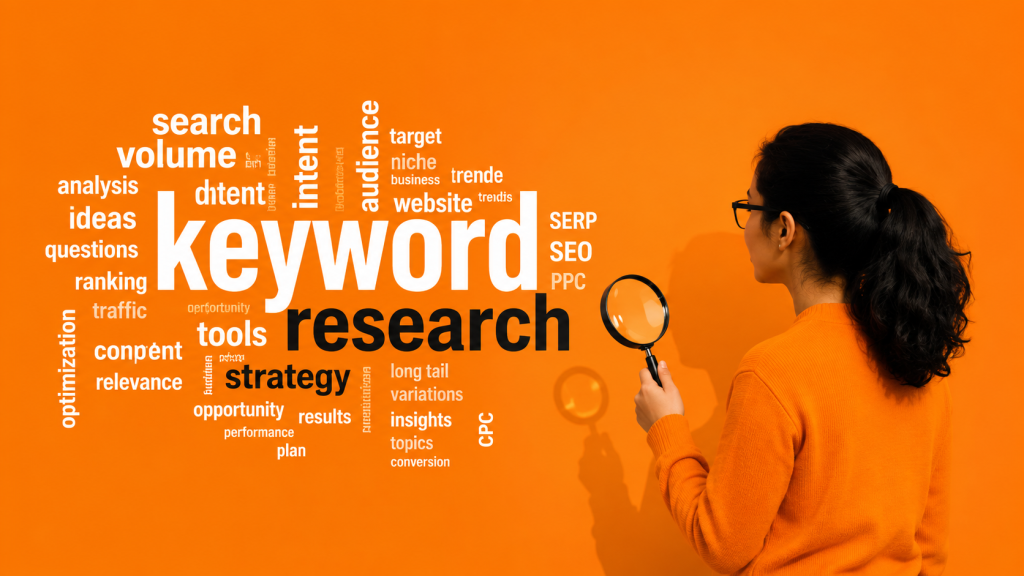
- Keyword research
- On-page optimization
- Technical SEO
- Content creation
- Internal linking
- Local SEO
- Website performance
- Link building
- Structured data
The major advantage of SEO is that it can help businesses attract people who are already searching for relevant products, services or information.
For a deeper understanding, you can internally link this article to WebDreams’ guide on On-Page SEO.
2. Search Engine Marketing and Paid Advertising

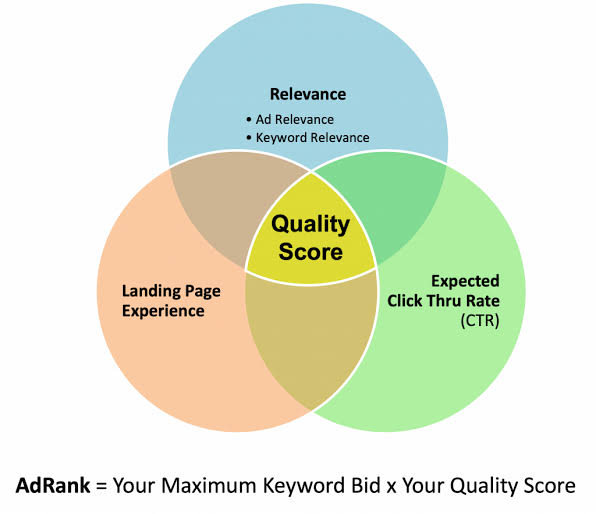
SEO takes time.
Paid advertising can help businesses reach potential customers more quickly.
Search advertising allows businesses to show advertisements when people search for specific keywords.
For example:
“Buy website hosting India”
or
“SEO company in Hubli”
Paid advertising can also include:
- Google Search Ads
- Display advertising
- YouTube advertising
- Facebook Ads
- Instagram Ads
- LinkedIn Ads
- Remarketing campaigns
The important thing is not simply spending money on advertisements.
The campaign needs the right:
Audience + Offer + Creative + Landing Page + Tracking + Optimization
Without these pieces, increasing the advertising budget does not automatically increase sales.

3. Social Media Marketing
Social media gives businesses a way to communicate with their audience regularly.
Platforms such as Instagram, Facebook, LinkedIn and YouTube can be used for:
- Brand awareness
- Educational content
- Product promotion
- Customer engagement
- Lead generation
- Community building
- Retargeting
- Customer support
However, social media marketing should not be reduced to collecting likes and followers.
A business needs to understand why it is using a particular platform.
For example:
A B2B company may use LinkedIn to reach decision-makers.
A restaurant may use Instagram to showcase food and customer experiences.
An e-commerce brand may use Meta advertising to generate purchases and retarget website visitors.
The strategy should depend on the customer and the business model.
4. Content Marketing
Content marketing focuses on creating useful information that attracts and educates a target audience.
Content can include:
- Blog articles
- Videos
- Guides
- Case studies
- Infographics
- Social media posts
- Podcasts
- E-books
- FAQs
- Tutorials
For example, a web hosting company could publish:
“How Much Hosting Does a Small Business Website Need?”
Someone searching for that information may discover the company through Google.
The person may not be ready to buy immediately, but the content starts the relationship.
This is why content marketing and SEO often work together.
5. Email Marketing

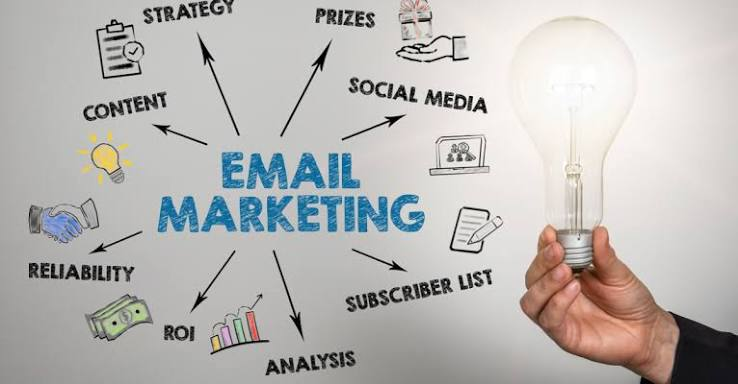
Email marketing allows businesses to communicate directly with people who have already shown interest.
Businesses can use email for:
- Newsletters
- Product announcements
- Offers
- Follow-ups
- Educational content
- Customer retention
- Abandoned cart reminders
- Lead nurturing
For example, someone may download a guide from a website.
Instead of immediately trying to sell something, the business can send useful information over time.
This helps move a potential customer closer to a purchase.
6. Website and Conversion Optimization
Your website is often the central point where digital marketing activity comes together.
You can have excellent advertisements, SEO and social media content, but if your website is difficult to use, the customer may leave.
A business website should clearly communicate:
- What the business does
- Who it serves
- Why customers should choose it
- What products or services are available
- How customers can contact the business
- What action visitors should take next
This is where UX, UI and conversion optimization become important.
A good website does not simply look attractive.
It should help visitors understand the business and take action.
7. Local Digital Marketing
For businesses that serve a specific geographic area, local digital marketing is especially important.
For example:
- Restaurants
- Clinics
- Hotels
- Real estate companies
- Local retailers
- Educational institutions
- Service providers
A customer might search:
“best restaurant near me”
or
“digital marketing company in Hubli”
Local visibility can involve:
- Google Business Profile
- Local SEO
- Customer reviews
- Local citations
- Location pages
- Local content
- Accurate business information
Reviews are also important because they can influence customer trust and contribute to local search visibility. Google states that local results are influenced by relevance, distance and prominence, with reviews being one factor associated with prominence. (WebDreams India)
8. Analytics and Performance Tracking
One of the biggest differences between digital marketing and many traditional marketing activities is measurement.
A business can ask:
What happened after we spent the money?
For example:
| Metric | What It Tells You |
|---|---|
| Impressions | How often people saw the campaign |
| Clicks | How many people interacted |
| CTR | How effectively the message generated clicks |
| Leads | How many prospects responded |
| CPL | How much each lead cost |
| Conversion Rate | How many visitors became leads or customers |
| ROAS | Revenue generated relative to advertising spend |
| CAC | Cost of acquiring a customer |
The exact metrics that matter depend on the business.
A campaign focused on awareness may care about reach and engagement.
An e-commerce business may focus heavily on purchases and ROAS.
A service business may care more about qualified leads, sales and customer acquisition cost.
Digital Marketing Is About the Customer Journey


One of the biggest mistakes businesses make is treating every channel separately.
SEO does not have to work independently from social media.
Paid advertising does not have to work independently from the website.
Content does not have to work independently from SEO.
The stronger approach is to connect them.
For example:
SEO → Website → Content → Lead → Email/WhatsApp → Sales
Another journey might look like:
Instagram → Website → Retargeting Ad → Landing Page → Enquiry → Sale
The customer may interact with a business several times before purchasing.
Digital marketing helps businesses create and measure those touchpoints.
Digital Marketing vs Traditional Marketing
The biggest difference is not simply “online versus offline.”
The bigger difference is how the channels are used, targeted and measured.
| Digital Marketing | Traditional Marketing |
|---|---|
| Search engines | Newspapers |
| Social media | Television |
| Websites | Radio |
| Online advertising | Billboards |
| Magazines | |
| YouTube | Print advertising |
| Content marketing | Direct mail |
| Analytics and tracking | Often harder to track precisely |
This does not mean traditional marketing is useless.
For some businesses, a combination of traditional and digital marketing can work better than relying on only one approach.
How Does Digital Marketing Help a Small Business?
Digital marketing can be particularly useful for small and medium-sized businesses because it allows them to compete for attention without needing the same resources as large brands.
A small business can:
Build visibility
SEO and content can help people discover the business through search.
Generate leads
Paid advertising, landing pages and social media can create enquiry opportunities.
Build trust
Websites, reviews, case studies, social proof and useful content can help potential customers evaluate the business.
Retarget interested customers
Someone who visits a website but does not enquire can potentially be reached again through remarketing.
Understand customers
Analytics can show which channels and content generate engagement and conversions.
Build long-term brand value
Consistent digital presence can make a business easier to recognize and remember.

What Is a Digital Marketing Strategy?
A digital marketing strategy is a structured plan for using digital channels to achieve specific business objectives.
A basic strategy can follow these steps:
Step 1: Define the business goal
Do you want:
- More leads?
- More sales?
- More website traffic?
- More enquiries?
- More brand awareness?
- More repeat customers?
Step 2: Identify your target audience
Understand:
- Who they are
- What they need
- What problems they have
- What they search for
- Where they spend time online
- What influences their buying decision
Step 3: Choose the right channels
You do not necessarily need every digital marketing channel.
Choose channels based on where your customers are and how they make purchasing decisions.
Step 4: Create useful content and offers
Give people a reason to pay attention.
That could be:
- Educational content
- A product demonstration
- A useful guide
- A consultation
- A special offer
- A case study
Step 5: Track performance
Measure what happens after people interact with your marketing.
Step 6: Optimize
Digital marketing is rarely a “set it and forget it” activity.
Test.
Measure.
Learn.
Improve.
Repeat.
Common Digital Marketing Mistakes
Businesses often make the same mistakes when starting digital marketing.
Chasing followers instead of customers
A large follower count does not automatically mean more revenue.
Running ads without tracking
If you cannot see where leads or sales are coming from, it becomes difficult to make informed decisions.
Publishing without a strategy
Posting content every day is not the same as having a content strategy.
Ignoring the website
Driving traffic to a website that is confusing, slow or difficult to use can waste marketing opportunities.
Trying every platform
Being present everywhere is not always better.
The right channels are more important than the number of channels.
Expecting instant SEO results
SEO is generally a longer-term strategy. Businesses should evaluate progress based on relevant visibility, traffic, enquiries and business outcomes rather than expecting immediate results.
Is Digital Marketing Only for Large Companies?
No.
Digital marketing can be used by:
- Startups
- Local businesses
- Small businesses
- SMEs
- E-commerce companies
- Educational institutions
- Professional services
- Manufacturers
- B2B companies
- Large enterprises
The strategy, budget and channels may change, but the basic principle remains the same:
Reach the right people, communicate value, build trust and make it easy for them to take action.
The Future of Digital Marketing
Digital marketing is continuing to evolve.
Search is no longer limited to traditional search engines. People are also using social platforms, video platforms and AI-powered tools to discover information and businesses.
That means businesses need to think beyond simply ranking for keywords.
They need to build a digital presence that is:
- Useful
- Trustworthy
- Easy to understand
- Technically accessible
- Consistent across platforms
- Relevant to customer needs
SEO, content marketing, social media, paid advertising, websites and AI-driven search are increasingly connected parts of the same digital ecosystem.
Final Thoughts
So, what is digital marketing?
Digital marketing is the process of using digital channels and technologies to reach potential customers, build trust, generate demand, drive conversions and grow a business.
But effective digital marketing is not about being everywhere.
It is about understanding who your customer is, what they need, where they search, what influences their decision and how your business can measure the journey from first interaction to sale.
The best digital marketing strategies connect multiple activities rather than treating SEO, social media, advertising, content and websites as separate departments.
For businesses today, digital marketing is no longer just another promotional option. It is an important part of how customers discover, evaluate and choose businesses.
Ready to Build a Digital Marketing Strategy for Your Business?
If your business is getting traffic but not enough enquiries, or you are unsure whether you should focus on SEO, social media, paid advertising or content, the right strategy starts with understanding your customers and your business goals. WebDreams can help you build a digital marketing strategy that connects SEO, paid advertising, social media, content and your website into a measurable growth system. Explore WebDreams Digital Marketing Services